Hiking Tech Safety Gear: Top Smart Devices Reviewed
Author:Andy
|
Released:February 11, 2026
Ever hit a dead zone on the trail and felt that sudden spike of panic? Your phone is great for photos, but it won't call for help when the bars disappear. Let's look at the smart gear that keeps you safe when things go sideways.
Why Your Smartphone Isn't A Complete Hiking Safety Tool
We all love our phones. They have great cameras and GPS apps that make us feel like pro explorers. However, relying solely on a smartphone is one of the biggest mistakes you can make when it comes to hiking safety.
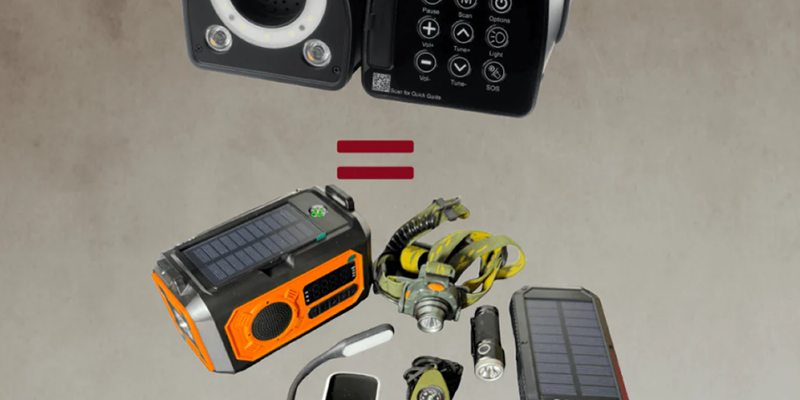
Think about it: phones are fragile. They die in the cold, the screens shatter when dropped on a rock, and they are useless the moment you lose sight of a cell tower. In a real emergency, you need tools built for the dirt, not the office.
A dedicated GPS or a satellite communicator uses a different network entirely. While your phone searches for a local tower, these devices communicate directly with satellites orbiting Earth. This means you can send an SOS from the bottom of a canyon or the top of a remote peak.
The Lifesaver: Choosing The Right Satellite Communicator
If you only buy one piece of high-tech gear this year, make it a satellite communicator. These devices have changed the game for hiking safety. They support two-way messaging and include a dedicated SOS button that connects you to emergency responders 24/7.
Top Picks For 2026:
- Garmin inReach Mini 2: The gold standard. It's tiny, weighs almost nothing, and the battery lasts for weeks in power-save mode. The best part? The Track Back feature helps you find your way home if you get lost.
- Zoleo Satellite Messenger: The best choice if you love texting. It gives you a dedicated phone number so your family can reach you easily. It's cheaper upfront than the Garmin, but it relies more on your phone's screen.
- Motorola Defy Satellite Link: The budget-friendly pick. It's a simple puck that adds satellite features to your existing phone via Bluetooth. It's perfect for day hikers who don't need heavy-duty navigation.
Practical Tip: Don't just look at the device's price. Check the monthly subscription plans. Some brands let you suspend your service during winter months to save money, while others lock you into a yearly contract. Always read the fine print on the service fees before you buy.
Smart Hiking Gadgets That Actually Earn Their Weight
Your backpack has limited space, so every smart tool needs to prove its worth. You don't need a solar-powered espresso maker; you need hiking gadgets that solve real problems like navigation, light, and power.
GPS Watches: More Than Just A Step Tracker
A good hiking watch, such as the Coros Vertix 2 or the Garmin Fenix series, does more than count calories. It provides breadcrumb maps on your wrist. This is huge because you don't have to keep pulling out your phone and draining its battery to check if you missed a turn. Look for a watch with Offline Mapping so the maps work even without a signal.
Smart Headlamps
Old headlamps just had on and off. Modern ones, like Petzl's Reactive Light models, actually sense how much light you need. If you look down at a map, the light dims to reduce glare. If you look down a dark trail, it kicks up to full power. This saves a significant amount of battery life, which is a key factor in hiking safety.
High-Density Power Banks
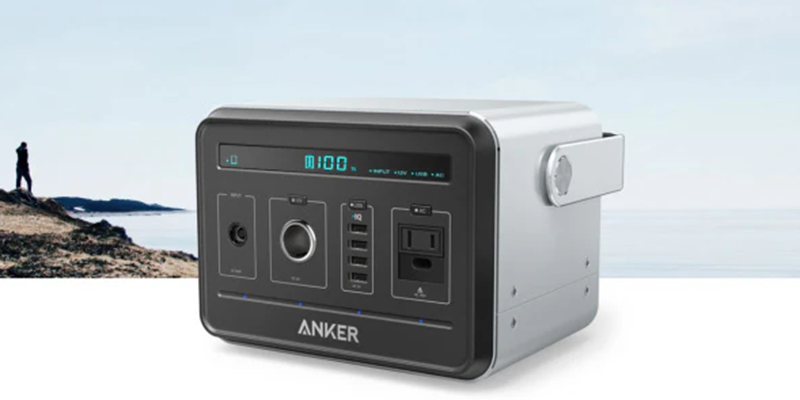
Since most of our hiking gadgets charge via USB, a power bank is mandatory. Skip the cheap ones from the grocery store. Look for a Nitecore NB10000—it's carbon fiber, incredibly light, and built to handle rain and drops. It can charge a phone twice and still have juice left for your headlamp.
Practical Battery Management: Don't Let Your Tech Die
The best satellite communicator in the world is just a paperweight if the battery is at 0%. Managing your power is a skill every hiker needs to learn.
- Airplane Mode is Your Friend: Even if you are using your phone for GPS, keep it in airplane mode. Your phone wastes a ton of energy searching for a cell signal that isn't there.
- Keep it Warm: Lithium batteries hate the cold. If you are hiking in the winter, keep your electronics in an inside pocket close to your body heat. At night, sleep with your power bank and phone inside your sleeping bag.
- Turn Off Search Features: On your GPS watch, turn off heart rate monitoring or Bluetooth syncing if you are low on power. These "background" features eat battery life for breakfast.
How To Build A Tech-First Safety Kit On A Budget
You don't need to spend $2,000 to be safe. If you are starting, here is how to prioritize your spending:
- Step 1 (The Free Stuff): Download an app like AllTrails or Gaia GPS. Download the maps for your area for offline use while you still have Wi-Fi. This costs nothing but significantly boosts your safety.
- Step 2 ($50–$100): Buy a high-quality power bank and a reliable LED headlamp. These are the two things that will keep you from being stuck in the dark if a hike takes longer than planned.
- Step 3 ($200+): Invest in a satellite communicator. This is your ultimate insurance policy. If you hike alone, this isn't optional—it's a requirement.
Comparison Tip: When comparing devices, look at the IPX rating. IPX7 means the device can be dropped in water and still work. If a gadget doesn't list an IPX rating, it's probably not tough enough for the trail.
Common Mistakes When Using Hiking Tech
Even with the best hiking gadgets, things can go wrong if you rely too much on the screen.
- The Follow the Arrow Trap: Don't just stare at the GPS arrow. Look up at the landmarks around you. If the tech fails, you should still have a general idea of which way is north.
- Forgetting the Paper Map: Yes, it's old school. But a paper map and a simple compass don't have batteries. Keep them at the bottom of your pack as backups or emergencies.
- Not Testing at Home: Never take a brand-new satellite communicator out of the box and head straight into the woods. Set it up at home, sync it with your phone, and send a test message to a friend. You don't want to be figuring out the interface while you're shivering in the rain.
Ready To Level Up Your Trail Safety?
Modern technology has made the wilderness more accessible than ever, but it's only helpful if you choose the right tools and know how to use them. Whether you pick up a high-end satellite communicator or start using offline maps, every step you take toward better hiking safety is a win.
Don't wait until you're lost to wish you had better gear. Take a look at your current kit, identify the gaps, and compare the latest smart devices before your next big adventure. Your peace of mind is worth the investment!
Related Posts

Outdoor Gear
Outdoor Hiking in Winter: How to Pick the Right Insulated Jacket
Outdoor Gear
Best Waterproof Jackets for Heavy Rain, Wind, and Long Days Outside

Guides and Tips
Layering System For Hiking: Why Cotton Kills And What To Wear Instead

Outdoor Gear
How To Pick Trekking Poles For Hiking: Length, Material, And Type Explained

Outdoor Gear
6 Most Breathable Hiking Shirts For Hot Weather Trails

Activities